From business objective to measured result.
We carry the whole path: deciding where AI creates material value, committing to a bounded result, putting it to work and measuring what changed.
Determine what deserves investment.
We start with the business objective and examine the work, people, systems, constraints, risks and economics around it. Then we compare a small number of credible first moves, including incumbent and internal alternatives.
This is the AI Operating Strategy Assessment: fixed in scope, run on representative evidence, about three weeks and eight to twelve hours of your team's time. It does not include a production build, write access or an AI roadmap.
Not yet, or that someone else should own the work, is a valid outcome.
You receive: a decision on what to fund first and what not to, with the evidence, trade-offs and prerequisites behind it.
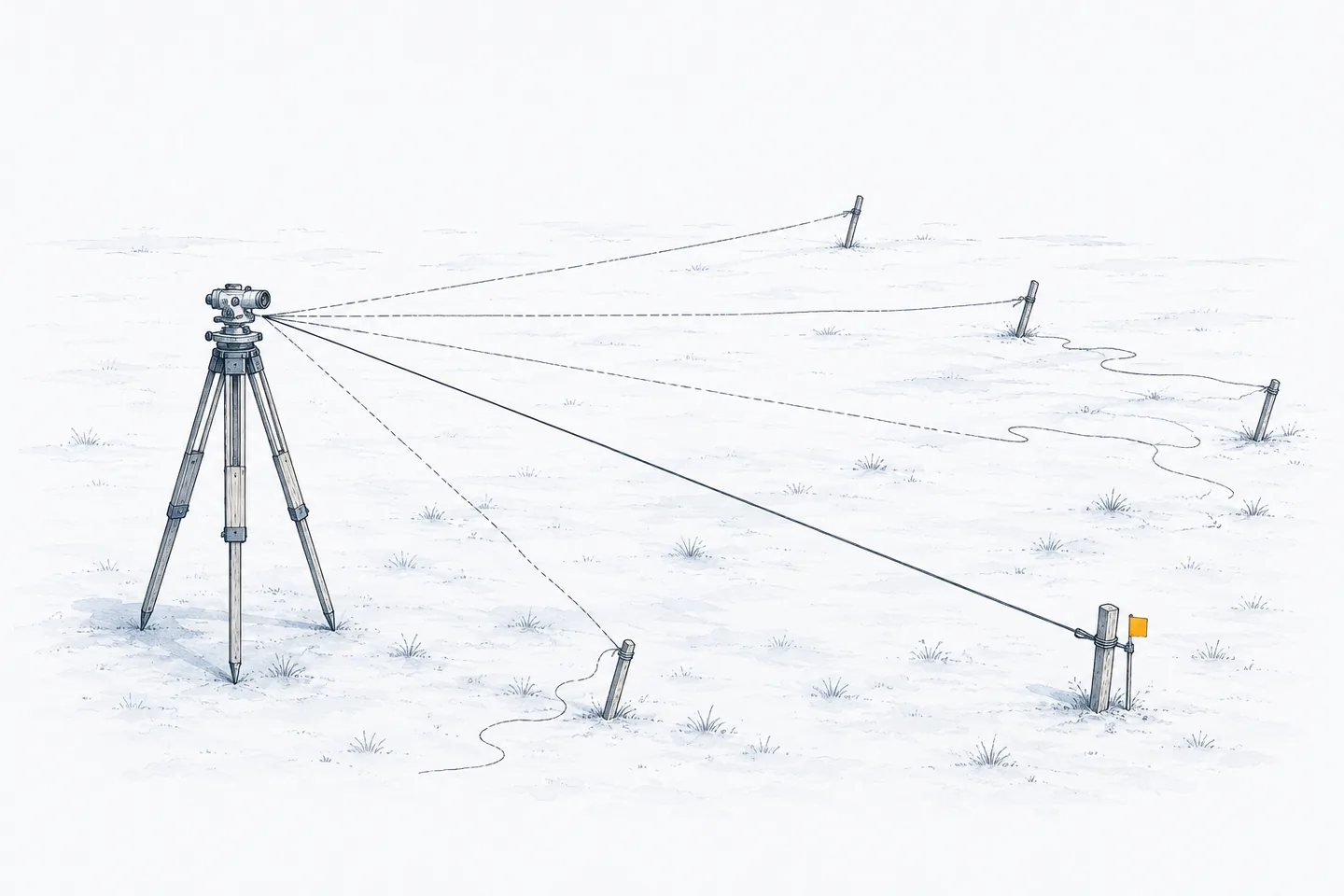
Turn the decision into a bounded commitment.
A company should not have to commit to a large programme before it knows the investment will pay off. The first implementation is the shortest path to proving value: the strongest opportunity, scoped tightly.
For that first piece of work, we define the result it must produce, the systems involved, the authority and review boundaries, the evidence required and the remaining risks. Those boundaries are written down before any work touches a live system.
Implementation is scoped and authorised separately. Agreeing with the strategy is not permission to build.
You receive: an implementation decision that is specific enough to fund and bounded enough to govern.
Trust and dataBuild only what the result requires.
We build the minimum capability needed to produce the agreed result.
The technical answer follows the work: existing systems, internal capability, third-party providers, Kriaka infrastructure, or a combination of them.
You receive: the smallest credible system for the job, with responsibility and authority made explicit.
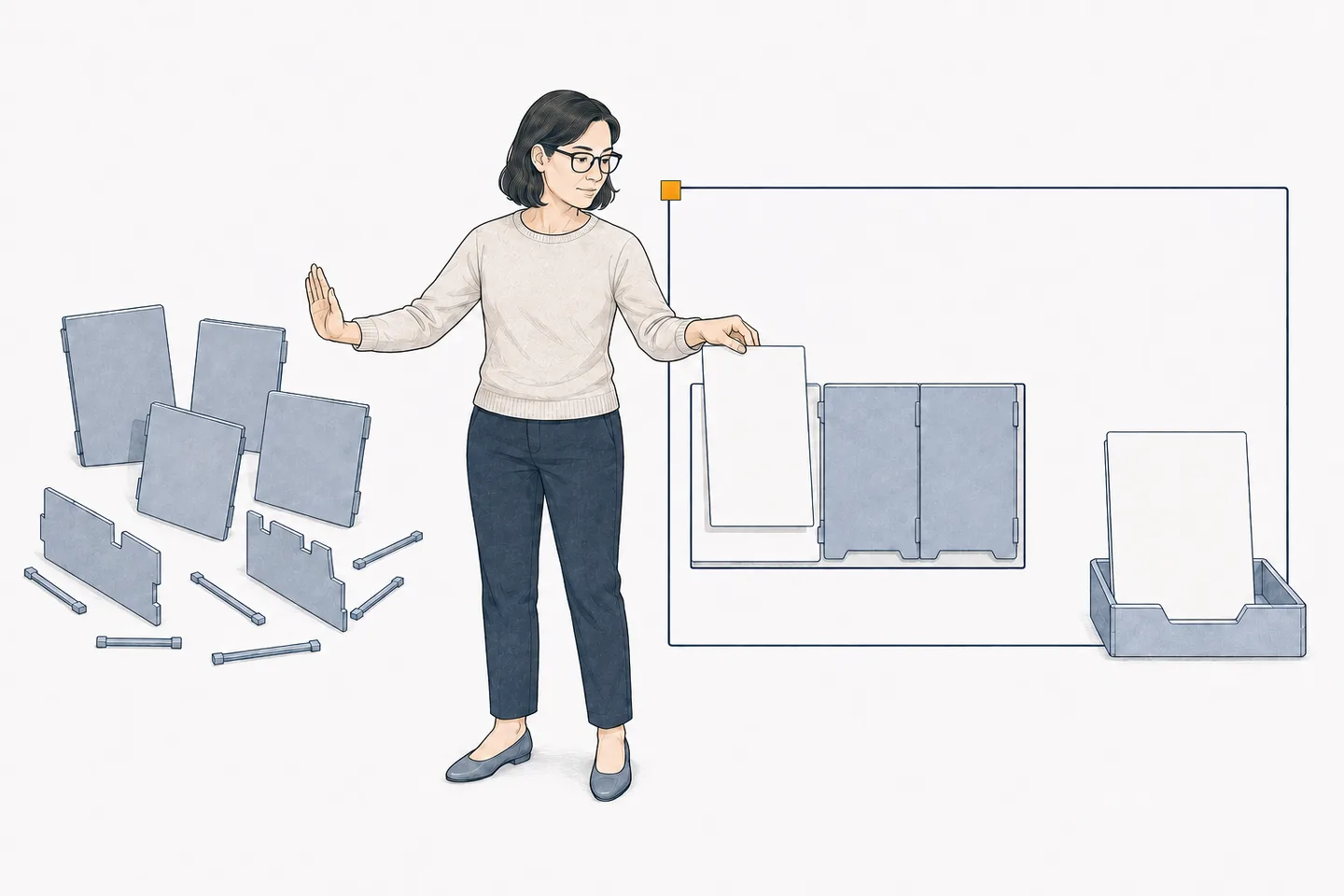
Put it to work in the business.
We launch under real operating conditions, establish review and escalation paths, handle exceptions and stabilise the work around the people and systems involved. It runs on the company's own context, uses only the connections you have approved, acts within explicit authority and keeps a record of what it did and who approved it.
An installed tool is not the result. The result is a capability that performs its defined role without losing control of what matters.
You receive: running work, visible review paths and a clear operating owner.
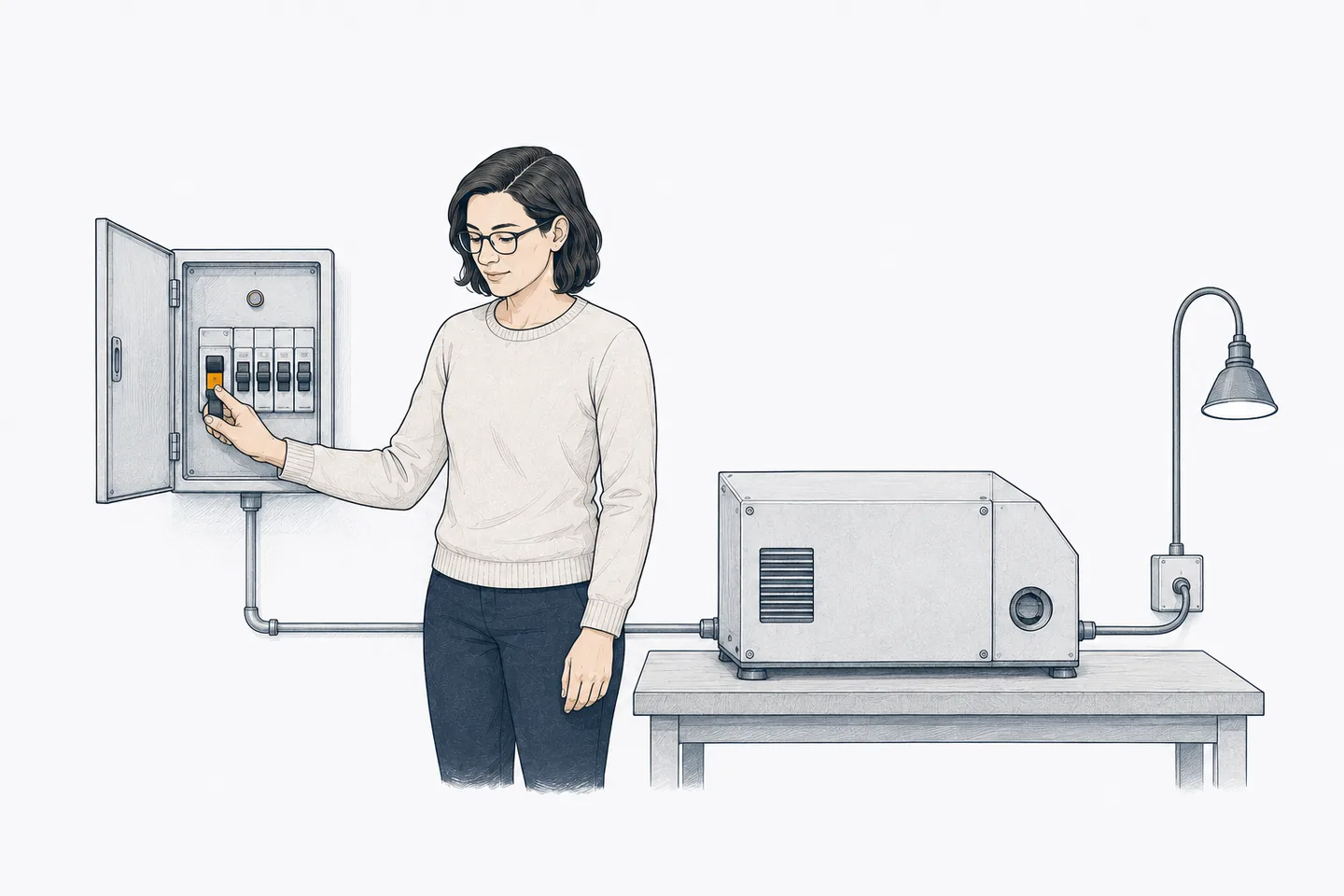
Measure what changes.
Proof has three layers:
- Technical: does the system operate reliably within its defined boundary?
- Operational: is it used, accepted and producing the intended work?
- Economic: is the business result strong enough to justify what it cost?
You receive: evidence that distinguishes a promising implementation from one that creates measurable value.
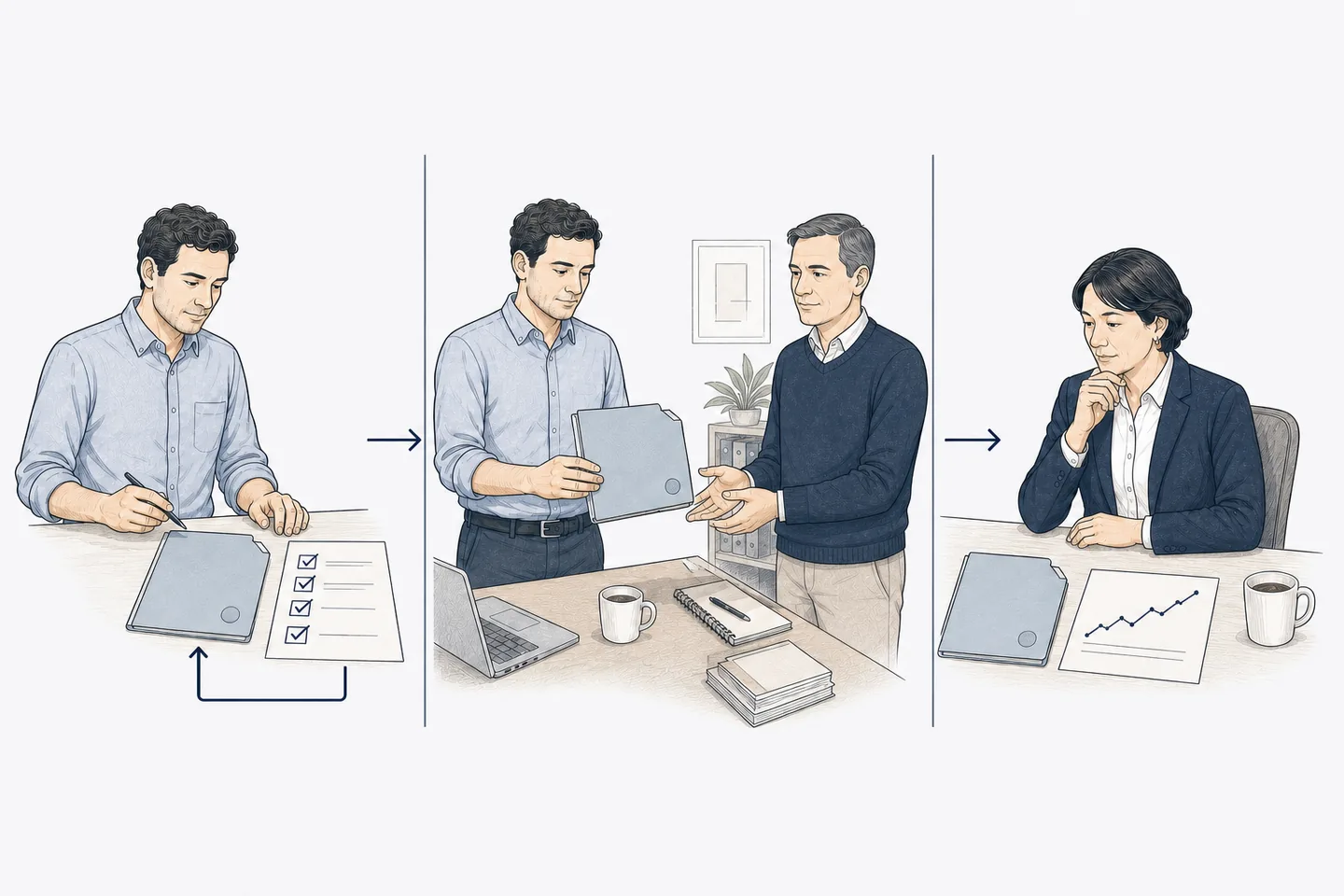
Decide what follows.
The evidence supports a deliberate next decision: continue with Kriaka, transfer to your team or another provider, expand, pause or stop.
You receive: a decision point with the evidence behind it, before any further scope is agreed.